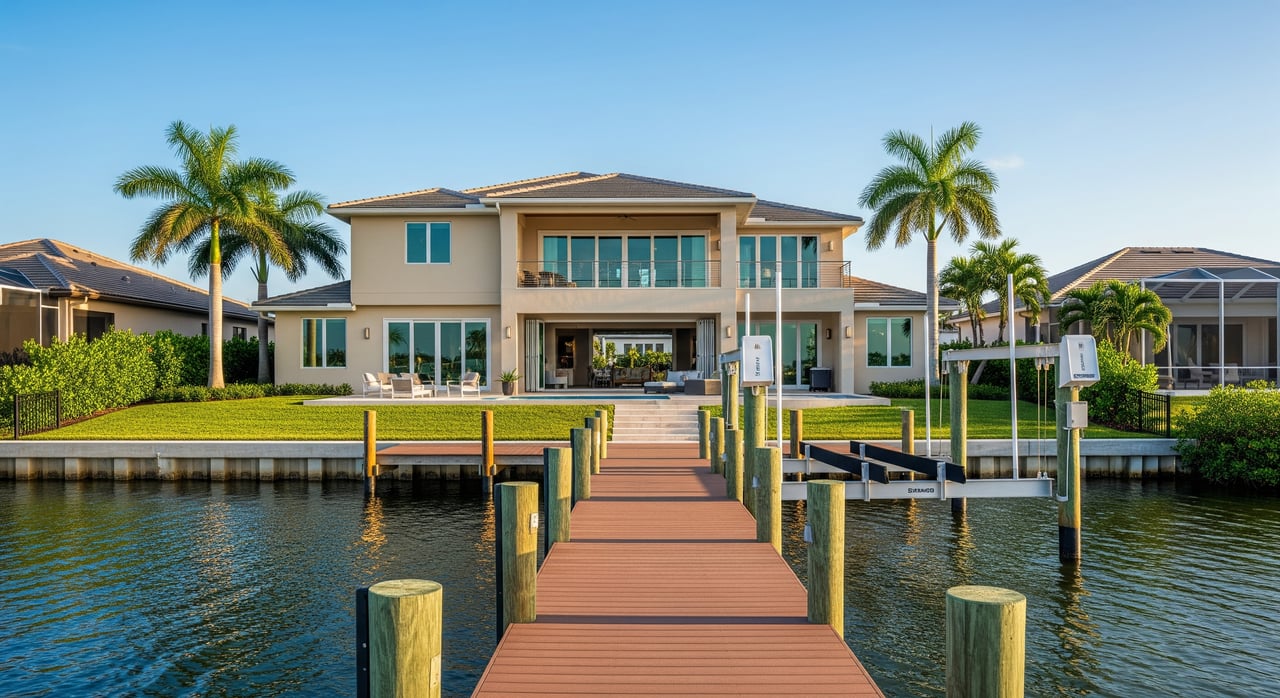
Choosing HOA vs No HOA Living on Merritt Island
Torn between an HOA and a no‑HOA home on Merritt Island? You are not alone. Between waterfront canals, seawalls, and hurricane prep, choosing the right setup affects daily life, monthly costs, and long‑term peace of mind. In this guide, you will learn how HOAs and no‑HOA properties differ here on the Space Coast, what to expect with insurance and financing, and the exact checklist to review before you buy. Let’s dive in.
Merritt Island stretches between the Indian River Lagoon and the Banana River, so you will see everything from canal‑front homes and single‑family subdivisions to condo communities. Proximity to Kennedy Space Center, Port Canaveral, and the beaches draws a wide range of buyers with different lifestyle goals.
Some neighborhoods have mandatory HOAs that manage common areas, amenities, and appearance standards. Condo associations are common in multi‑unit buildings and often take on more building responsibilities. You will also find older subdivisions and rural pockets with no HOA where you control most exterior decisions within county rules.
The coastal setting shapes ownership. Flood zones, seawalls, docks, and canal maintenance factor into both HOA and non‑HOA living. Before you focus on rules or dues, check parcel‑specific flood risk using the FEMA Flood Map Service Center and review county floodplain guidance from Brevard County Floodplain Management.
HOAs operate under recorded covenants, bylaws, and board‑adopted rules. Common topics include exterior paint colors, landscaping, fences and sheds, driveway and street parking, visible storage like boats or RVs, noise, and short‑term rental policies. Florida homeowners’ associations are governed by Chapter 720, Florida Statutes.
Condominiums follow a separate framework and usually have stricter building and common‑area rules because residents share structures and systems. Condos are governed by Chapter 718, Florida Statutes.
Many Merritt Island HOAs highlight waterfront perks such as community boat ramps, shared docks, or seawall programs. Others focus on recreation like pools, tennis or pickleball, playgrounds, and clubhouses. Some manage landscaping, irrigation, storm prep for common areas, security gates, or patrols. The scope and quality of amenities drive your dues.
HOAs collect regular dues to fund operations and build reserves. Condos often have higher dues because the association carries building insurance and exterior maintenance. Any association can levy special assessments for big repairs or capital projects, such as seawall work, canal dredging, or roof replacements. Before you commit, request the budget, reserve study, insurance declarations, and a history of recent or planned assessments.
No‑HOA homes usually give you more latitude on exterior changes, parking, and storing boats or RVs, and more flexibility on rental use within county rules. You will still follow Brevard County codes and permit requirements, and some neighborhoods have recorded deed restrictions even without an active association.
Without an HOA, you avoid monthly dues and you make your own style choices. You also take on full responsibility for exterior upkeep, and your street’s appearance may be less uniform. In coastal areas, plan for personal seawall, dock, and yard maintenance, especially after storms.
If there is no HOA, verify any recorded covenants on title, confirm code compliance, and clarify septic versus sewer service. County resources can help you understand permits and development standards; start with Brevard County Planning & Development and the Brevard County Property Appraiser.
Flood exposure is a key cost driver on Merritt Island. If a home lies in a Special Flood Hazard Area, lenders typically require flood insurance. Use the FEMA Flood Map Service Center to review the parcel’s zone and ask for any elevation certificate. Condo owners usually carry an HO‑6 policy for interior coverage while the association insures the building; single‑family owners carry standard homeowner policies, and associations may insure common elements.
Property taxes are not directly tied to the presence of an HOA, though neighborhood amenities can influence market values over time.
Lenders count monthly HOA or condo dues as part of your recurring obligations, which can affect your loan approval. Condo financing often involves a deeper project review that looks at the association budget, reserves, insurance, litigation, and owner‑occupancy ratios. If you are using FHA or VA financing, confirm whether the condo project meets the program’s requirements early in your process.
An HOA that maintains curb appeal and amenities can appeal to buyers who value predictability and shared recreation. Strict rules or higher dues may narrow your buyer pool. Non‑HOA homes attract buyers who want flexibility and fewer recurring fees, but overall appearance and maintenance may vary street to street.
If you are eyeing a canal or riverfront neighborhood, get clarity on maintenance and water access early. Ask:
Use this list during your offer and inspection periods. Request as many items as possible upfront so you can compare homes with confidence.
If you value shared amenities and predictable upkeep, an HOA or condo community can be a strong fit. You will trade a monthly due and some rule compliance for access to a pool, a boat ramp, or maintained common areas.
If flexibility is your priority, a no‑HOA property may suit you better. You will make more of your own decisions and skip dues, but you will also handle maintenance and planning on your own, especially for waterfront components.
There is no one right answer. The best choice matches how you live day to day, how you plan to use the property, and how much governance you want.
On Merritt Island, small details like flood zone status, seawall condition, or condo reserve strength can make or break a deal. You deserve a guide who can spot the tradeoffs, coordinate with your lender and insurance agent, and help you compare HOAs and non‑HOAs side by side.
With 21+ years serving Brevard County, Matthew Hausmann can walk you through documents, set expectations on costs, and align your choice with your lifestyle and budget. If you are ready to explore specific neighborhoods and compare options, reach out to Matthew Hausmann to get started.
Whether working with buyers or sellers, Matthew provides outstanding professionalism into making her client’s real estate dreams a reality. Contact him today for a free consultation for buying, selling, renting or investing in Florida.
Get In Touch With Matthew To Learn More
MATTHEW HAUSMANN
3230 MURRELL RD #100 ROCKLEDGE, FL 32955